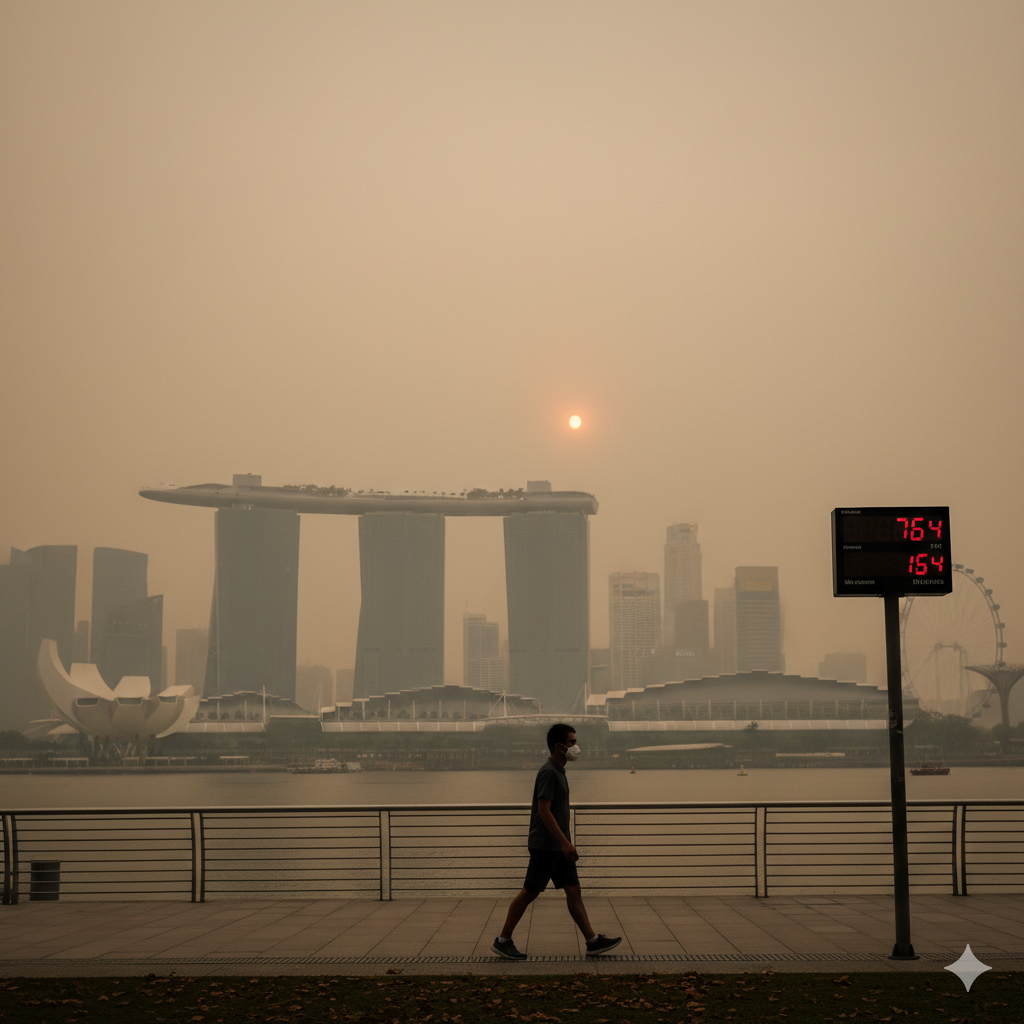
Navigating the Haze: Understanding and Mitigating Singapore's Air Quality Challenges
As Singapore grapples with its persistent haze issues, this comprehensive guide delves into the intricate causes, far-reaching impacts, and proactive solutions, offering invaluable insights for residents and businesses alike.
The Origins of Haze: A Regional Perspective
Singapore’s notorious haze is primarily a transboundary phenomenon, originating from agricultural burning and forest fires in neighboring Indonesia, particularly Sumatra and Kalimantan. These “hotspots” intensify during the dry season, typically from June to October, when traditional slash-and-burn practices for land clearing are prevalent. The smoke plumes, laden with particulate matter, carbon monoxide, and other harmful pollutants, are then carried by prevailing winds across the Strait of Malacca, blanketing Singapore in a thick, acrid shroud. While local emissions also contribute to air pollution, their impact is dwarfed by the sheer scale of these regional fires. Understanding this geographical and seasonal pattern is crucial for comprehending the cyclical nature of Singapore’s air quality challenges.
Health Implications: Protecting Yourself and Your Loved Ones
The health consequences of prolonged exposure to haze are significant and varied. Fine particulate matter (PM2.5) is particularly concerning, as its microscopic size allows it to penetrate deep into the respiratory system, leading to a range of ailments. Short-term effects include eye irritation, coughing, sneezing, and throat discomfort. For individuals with pre-existing respiratory conditions like asthma and chronic obstructive pulmonary disease (COPD), haze can trigger severe attacks and exacerbate symptoms. Cardiovascular health is also at risk, with studies linking haze exposure to an increased incidence of heart attacks and strokes. Vulnerable populations, including children, the elderly, and pregnant women, are especially susceptible to these adverse health impacts. Implementing protective measures such as wearing N95 masks, staying indoors, and utilizing air purifiers becomes paramount during periods of poor air quality.
Economic Repercussions: Beyond the Breathable Air
The economic fallout from haze extends far beyond healthcare costs. Tourism, a cornerstone of Singapore’s economy, suffers significantly as visitors defer or cancel trips due to the unappealing and unhealthy conditions. The aviation industry faces disruptions, with flight delays and cancellations impacting both passenger and cargo operations. Productivity in various sectors, from construction to outdoor services, declines as workers contend with reduced visibility and health concerns. The agricultural sector, though smaller in Singapore, can experience reduced crop yields due to decreased sunlight. Furthermore, businesses incur additional expenses for air purification systems and medical leave for affected employees. These multifaceted economic impacts underscore the urgent need for long-term solutions to address the haze crisis.
Environmental Impact: A Broader Ecological Concern
Beyond human health and economic stability, the haze has profound environmental consequences. The massive forest fires release vast quantities of greenhouse gases, contributing to climate change and exacerbating global warming. Biodiversity is threatened as natural habitats are destroyed, displacing and endangering countless species of flora and fauna. The particulate matter settles on surfaces, affecting water quality and soil composition. The reduction in sunlight penetration can also impact photosynthetic processes, affecting plant growth and overall ecosystem health. The long-term degradation of ecosystems due to repeated haze events can have irreversible consequences for regional biodiversity and ecological balance, highlighting the interconnectedness of environmental issues across borders.
Technological Solutions: Innovating for Cleaner Air
Singapore has been proactive in exploring and implementing technological solutions to mitigate the impact of haze. Air quality monitoring networks, equipped with advanced sensors, provide real-time data on pollutant levels, allowing for timely public advisories. Air purification technologies, ranging from high-efficiency particulate air (HEPA) filters in homes and offices to large-scale industrial scrubbers, play a crucial role in improving indoor air quality. Research into cloud seeding, while not a direct solution to the source of haze, has been explored as a potential method to induce rain and clear pollutants. Furthermore, investments in renewable energy and cleaner transportation aim to reduce local contributions to air pollution, complementing efforts to address transboundary haze. The continuous advancement and deployment of such technologies are vital in building resilience against future haze episodes.
Regional Diplomacy and Collaboration: Addressing the Root Cause
Ultimately, effectively combating the haze requires robust regional diplomacy and collaborative efforts with neighboring countries. The ASEAN Agreement on Transboundary Haze Pollution, signed in 2002, provides a legal framework for cooperation, but its enforcement and effectiveness have been subject to ongoing challenges. Singapore actively engages with Indonesia through bilateral discussions, technical assistance, and capacity-building programs aimed at promoting sustainable land management practices and preventing forest fires. Initiatives like the ASEAN Haze Monitoring System and joint firefighting exercises underscore the commitment to a coordinated regional response. Continued political will, transparent data sharing, and effective enforcement mechanisms are essential for fostering genuine cooperation and tackling the root causes of the haze.
Future Outlook and Preparedness: Building a Resilient Singapore
Looking ahead, Singapore continues to strengthen its preparedness for future haze events. Public education campaigns are crucial for informing residents about protective measures and the importance of staying updated on air quality advisories. Healthcare infrastructure is continually reviewed and enhanced to cope with potential surges in respiratory and cardiovascular conditions. Urban planning incorporates green spaces and ventilation corridors to improve air circulation. Investment in long-term research on climate change impacts and sustainable agricultural practices remains a priority. While the challenge of transboundary haze is complex and persistent, Singapore’s multi-pronged approach, encompassing public health, technological innovation, regional cooperation, and environmental stewardship, demonstrates a strong commitment to building a resilient and breathable future for its citizens. This holistic strategy aims not only to mitigate the immediate impacts but also to contribute to a sustainable environment for generations to come, ensuring that Singapore remains a vibrant and healthy place to live, work, and thrive despite regional environmental challenges.